


Volkswagen’s latest earnings report reveals a complex landscape for one of Germany’s largest automakers. Despite a global reputation for quality and innovation, Volkswagen (FRA:VOW3) faces significant challenges in maintaining its market share amidst economic uncertainties and evolving consumer preferences. The report highlights a mix of robust revenue streams tempered by rising production costs and regulatory pressures.
In the second quarter of 2026, Volkswagen reported a modest increase in sales, driven largely by its electric vehicle (EV) lineup. The company has been investing heavily in EV technology to align with global shifts toward sustainable energy solutions. This strategic pivot is beginning to pay off, as EV sales now account for a substantial portion of Volkswagen’s revenue. However, the transition is not without its hurdles.
Rising costs of raw materials, particularly lithium and other components crucial for EV batteries, have put pressure on Volkswagen’s profit margins. The company is navigating these financial obstacles while also adhering to stringent environmental regulations imposed by both the European Union and individual countries. These regulations demand significant investment in clean technologies and infrastructure, further tightening profit margins.
Volkswagen’s CEO emphasized the importance of innovation in overcoming these challenges. The company is exploring partnerships with tech firms to enhance its autonomous driving capabilities, which are seen as the next frontier in automotive technology. By integrating AI and machine learning, Volkswagen aims to offer safer and more efficient vehicles to its customers.
Furthermore, Volkswagen is expanding its market presence in Asia, particularly in China, where demand for EVs continues to grow. The company believes that establishing a strong foothold in this region is crucial for long-term growth. However, competition is fierce, with both local manufacturers and international rivals vying for dominance in the Chinese market.
The automotive industry is also grappling with supply chain disruptions, a lingering effect of the global pandemic. Semiconductor shortages have caused production delays across the sector, and Volkswagen is no exception. The company is working to secure alternative supply lines to mitigate these disruptions and ensure steady production of its vehicles.
Despite these challenges, Volkswagen remains optimistic about its future prospects. The company’s strategic investments in technology, coupled with a focus on sustainability, position it well to navigate the evolving automotive landscape. Investors and analysts will be watching closely to see how Volkswagen adapts to these changes and capitalizes on new opportunities.
Footnotes:
- Volkswagen faces production cost increases due to higher raw material prices. Source.
- The company is investing in autonomous driving technology to enhance vehicle safety and efficiency. Source.
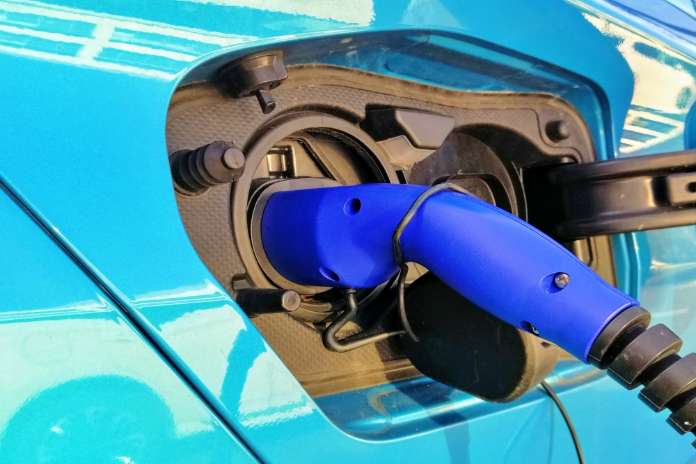
Featured Image: Megapixl @ Darren864